
Understanding Safety in Machine‑Assisted Facial Treatments
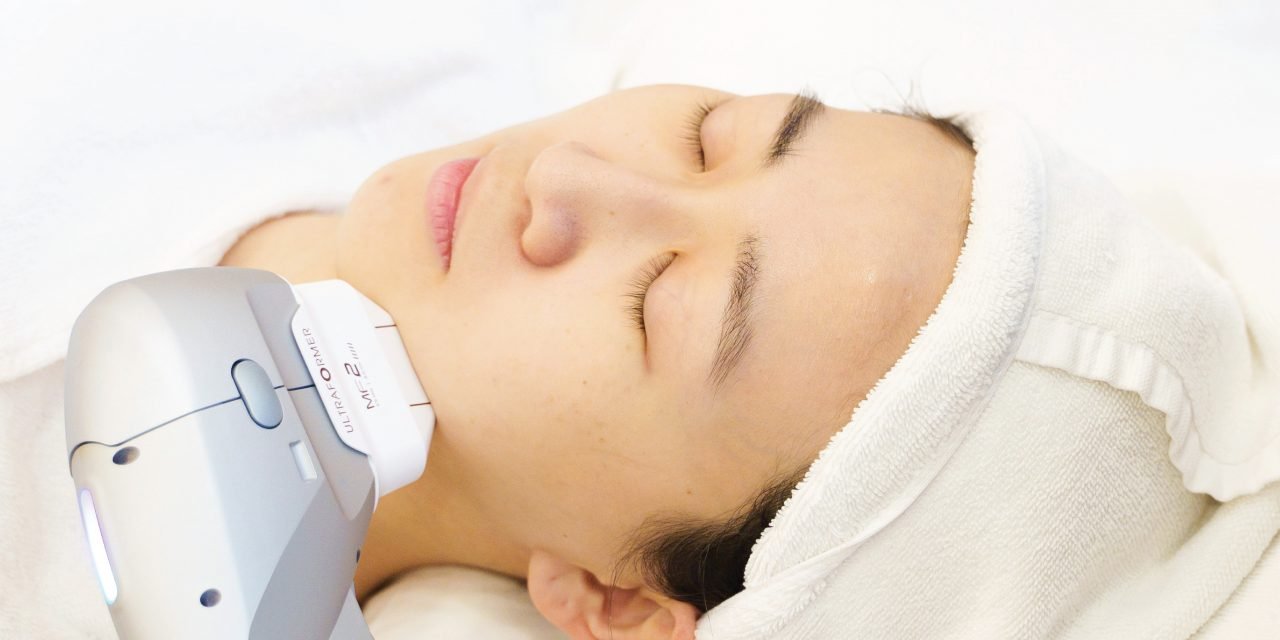
The use of technology in skincare has become increasingly common. From hydration infusion systems to radiofrequency and light-based devices, machines are now widely incorporated into professional facial treatments.
With this advancement, safety is often a primary concern.
Professional treatment devices are developed with built‑in safety parameters, including controlled energy levels, regulated temperature settings, and standardized operational guidelines. However, the safety of any device depends on two essential factors: certification and proper usage.
Internationally recognized certifications indicate that equipment has undergone technical evaluation for safety standards, electrical compliance, and operational reliability. These certifications help ensure that devices meet established requirements before being introduced into professional practice.
Equally important is the operator’s competency. Even certified equipment must be handled by trained personnel who understand skin physiology, treatment indications, and contraindications. Proper assessment before selecting any machine-based procedure is essential to minimize risk and optimize outcomes.
At HADA HANA, treatment devices are selected in accordance with international certification standards, such as CE, FDA, KFDA, and others. And all the machines are operated in accordance with structured professional protocols. Therapists receive specific training and test on equipment handling, safety procedures, and suitability assessment before performing any machine-assisted treatment.
Safety in professional skincare is not determined solely by technology, but by the standards that govern its selection and operation. When certified equipment is combined with trained professional oversight, advanced treatments can be both effective and responsibly delivered.
.png)
